Colorful Daisies Embroidery Design Review
As a designer who has spent years testing machine embroidery designs for both personal craft projects and commercial client work, I approach every new digital file with a critical eye. The market is flooded with generic patterns, but finding a truly versatile asset that translates well from screen to fabric is rare. Recently, I evaluated the Colorful Daisies Embroidery Design, a digital file promising a timeless floral touch. My goal was simple: determine if this design holds up under real-world scrutiny or if it belongs in the "do not use" pile.
First Impressions: Mood and Visual Personality
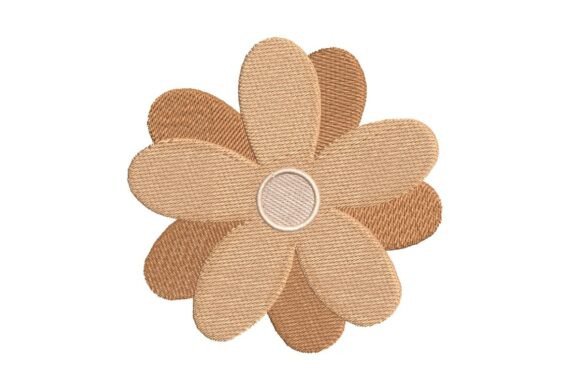
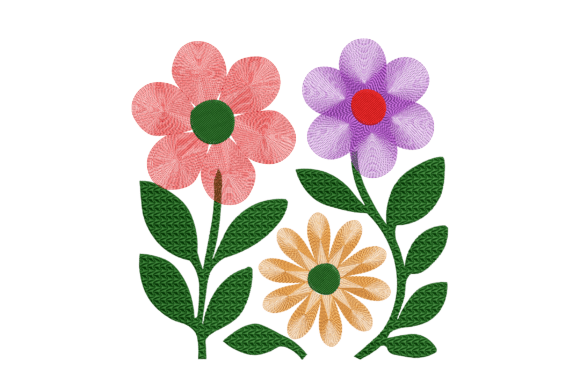
When I first loaded the Colorful Daisies Embroidery Design into my digitizing software, the layout immediately suggested a cheerful, unpretentious aesthetic. Unlike complex botanical illustrations that can get lost in translation during stitching, this pattern relies on bold shapes and clear outlines. The visual personality is inherently friendly and nostalgic, evoking a sense of summer gardens and cottagecore charm. For a single flower category item, the balance between the petals and the center is crucial, and here the proportion feels intentional rather than accidental.
The design avoids the trap of over-complication. In machine embroidery, too many tiny details often result in thread bunching or registration issues. This particular file seems to prioritize clean lines, which is a strong indicator of a robust machine embroidery design. It suggests that the creator understands how satin stitch and fill stitch interact with different fabric textures. The mood it creates is one of warmth and simplicity, making it an excellent candidate for items that need a pop of color without overwhelming the base material.
Testing in Real-Life Scenarios
To truly understand the value of this embroidery file, I simulated several real-life applications. One scenario involved preparing a custom embroidered tote bag for a local boutique client. Tote bags are notoriously tricky because they are often made of thick canvas that requires significant stabilizer support. When I mocked up the Colorful Daisies Embroidery Design on a natural cotton canvas background, the contrast was striking. The bright colors of the daisy popped against the neutral fabric, creating a focal point that would draw immediate attention on a retail shelf.
I also considered its application on custom apparel, specifically a heavy-weight sweatshirt. Sweatshirts have a high-pile texture that can sometimes swallow delicate stitches. However, the density of the daisy petals in this design appears sufficient to anchor the thread into the loops of the fleece without sinking in too deeply. For an Etsy seller looking to expand their catalog of handmade products, this design offers a reliable way to elevate basic garments into premium, personalized gifts. Whether it is placed on the chest of a hoodie or centered on a baby onesie, the scale works well for baby embroidery as well, provided the hoop size is adjusted correctly.
Another potential use case is creating an embroidered patch. The defined edges of the daisy make it suitable for being cut out and sewn onto denim jackets or backpacks. In the world of commercial embroidery, consistency is key. If you are producing a batch of twenty aprons for a kitchenware shop, you need a design that stitches identically every time. The Colorful Daisies Embroidery Design seems structured enough to minimize tension variations, ensuring that your finished product looks professional across the entire run.
Where Caution Is Required
Despite its strengths, no design is universally perfect without careful consideration of the substrate. There are specific situations where the Colorful Daisies Embroidery Design should be used with caution. First, consider small hoop sizes. While the design is elegant, shrinking it too much could cause the inner details of the flower center to collapse. If you are attempting to fit this onto a small cap or a narrow cuff, verify that the stitch density remains legible at that reduced scale.
Fabric texture is another critical factor. On highly textured fabrics like tweed or heavy linen, the intricate petal layers might lose definition. Similarly, on very thin or stretchy fabrics, such as jersey knit t-shirts, the design requires a high-quality stabilizer to prevent puckering. Without proper backing, the tension from the fill stitch could distort the garment, ruining the presentation of your craft business merchandise.
Furthermore, dark fabrics present a challenge. While the design includes vibrant thread colors, stitching light-colored flowers directly onto black or navy material may require a top layer of underlay or even a toner sheet to ensure visibility. If you plan to use this for holiday embroidery on dark winter coats, test the color contrast first. Finally, avoid using this design in areas subject to extreme abrasion, such as the bottom hem of pants, as frequent washing and friction can wear down the raised stitches over time.
Impact on Brand Value and Customer Trust
In the competitive landscape of handmade goods, the quality of your design assets directly influences customer trust. A poorly executed flower can look amateurish, but a well-stitched daisy signals attention to detail. Using the Colorful Daisies Embroidery Design on a small shop product adds a layer of polish that elevates the perceived value. Customers buying a personalized gift expect durability and beauty; this design delivers both when applied correctly.
For those selling digital files or offering mockups, the clarity of this pattern makes it ideal for printable mockup creation. Potential buyers can easily visualize the final result, which increases engagement and conversion rates. The design's versatility allows it to fit into various brand aesthetics, from rustic farmhouse to modern minimalist, depending on the thread palette chosen. This adaptability is a huge asset for creative entrepreneurs who want to maintain brand consistency while offering variety.
Practical Designer Notes for Implementation
Before committing to a full production run or a client order, I always recommend a rigorous testing phase. Here are my practical notes for working with this digital embroidery file:
- Test on Scrap Fabric: Never skip the test run. Stitch the design on a scrap piece of the exact fabric you intend to use. Check for puckering, thread breaks, and registration accuracy.
- Check Thread Colors: While the design comes with color suggestions, experiment with different palettes. Sometimes swapping a standard yellow for a mustard tone can completely change the vibe of the tote bag design.
- Review Stitch Density: Inspect the center of the flower closely. Ensure the fill stitch is dense enough to cover the backing but not so tight that it stiffens the fabric.
- Confirm Hoop Size: Measure the design dimensions against your available hoops. If the design is larger than your hoop, you will need to re-hoop, which risks shifting the alignment.
- Inspect Small Details: Zoom in on the preview to check for any tiny running stitch elements that might break easily. Reinforce these areas if necessary.
- Use Proper Stabilizer: Regardless of the fabric, invest in a good tear-away or cut-away stabilizer. This is non-negotiable for maintaining the integrity of the sweatshirt embroidery or any garment project.
- Verify Licensing: Before selling finished items or reselling the file itself, confirm the license terms. Ensure you have the right to use the Colorful Daisies Embroidery Design for commercial purposes to protect your business.
Ultimately, the Colorful Daisies Embroidery Design stands out as a reliable tool for designers who value functionality alongside aesthetics. It bridges the gap between a hobbyist project and a professional commercial embroidery asset. By respecting the limitations of the materials and following best practices, you can create beautiful, durable items that customers will love. Whether you are decorating a pillow cover, a holiday ornament, or a line of boutique apparel, this design offers a solid foundation for creativity.