Delicate Daisy with Dewdrop Embroidery Design Review
As a designer who has spent years curating assets for both personal projects and commercial craft businesses, I approach every new machine embroidery design with a critical eye. The market is flooded with generic floral patterns, but finding a piece that balances charm with technical reliability is rare. Recently, I tested the Delicate Daisy with Dewdrop Embroidery Design, a stylized flower promising a fresh, natural appeal. My goal was to determine if this specific Single Flowers asset holds up under the scrutiny of real-world production or if it belongs strictly in the realm of hobbyist experimentation.
First Impressions: A Study in Texture and Tone
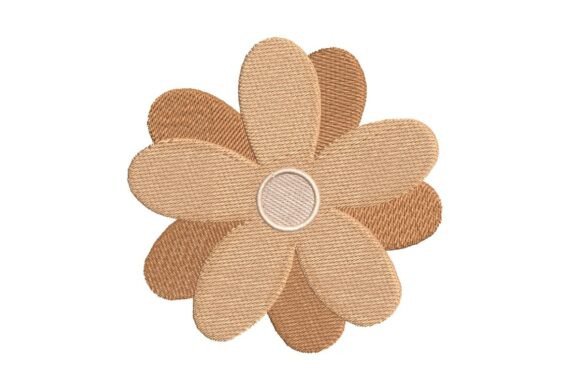
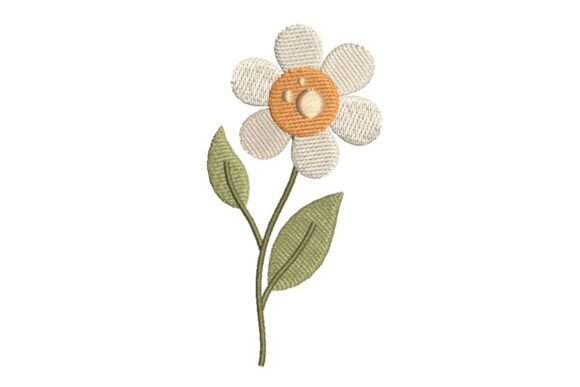
The moment I loaded the file into my digitizing software, the aesthetic intent became clear. This is not a bold, graphic statement piece; it is a whisper of spring. The design features textured light beige or off-white petals surrounding a golden-orange center. The use of "textured" petals suggests a mix of fill stitch and perhaps some running stitch detail to mimic the organic irregularity of a real bloom. The inclusion of a dewdrop adds a focal point that elevates the design from a simple clip-art style flower to something with dimension and narrative.
Visually, the color palette is sophisticated. The contrast between the soft neutrals of the petals and the warm, vibrant center creates an immediate sense of depth. For an Etsy seller or boutique owner looking to add a touch of understated elegance to their brand, this mood is perfect. It feels like a design meant for high-end nursery decor, linen goods, or personalized gifts where subtlety sells better than loudness. However, the delicate nature of the beige tones raises immediate questions about visibility on certain fabrics, a factor I needed to test before recommending it for commercial use.
Real-World Application: From File to Fabric
To truly evaluate the Delicate Daisy with Dewdrop Embroidery Design, I moved beyond the screen and prepared a sample run on a canvas tote bag. Tote bags are a staple for small shop products, offering a sturdy yet slightly textured surface that can challenge fine details. I selected a natural, unbleached cotton canvas to match the earthy tone of the petals.
The stitching process revealed the strengths of the digitization. The golden-orange center utilized a dense fill stitch that popped beautifully against the neutral background, drawing the eye immediately. The petals, rendered in light beige, required careful attention to thread tension. On the natural canvas, the texture of the fabric helped break up the solid blocks of color, enhancing the "natural appeal" mentioned in the product description. The result was a finished product that looked handcrafted and artisanal rather than mass-produced.
This design excels in scenarios requiring a gentle touch. Imagine this embroidered patch placed on the chest pocket of a heavy-weight sweatshirt or centered on a linen apron for a kitchen gift set. The dewdrop detail adds a whimsical element that makes it particularly suitable for baby embroidery or holiday gifts. It transforms a standard item into a thoughtful, personalized present. For a digital product seller creating printable mockups, this design offers excellent visual interest without overwhelming the composition of the garment.
Navigating Challenges: Where Caution Is Required
While the design performed well on my initial test, my experience dictates that no embroidery file is universally flawless. There are specific situations where the Delicate Daisy with Dewdrop Embroidery Design requires extra care or might need to be avoided entirely.
Fabric Choice Matters: The light beige petals are the most vulnerable part of this design. If you attempt to stitch this on dark fabric without significant modifications to the thread colors, the petals will likely disappear. The design relies on low contrast for its charm, which works against it on black or navy backgrounds. Similarly, on very thin or stretchy fabrics, the density of the fill stitch in the center could cause puckering. Always use a proper stabilizer, preferably a tear-away or cut-away depending on the weight of your material, to ensure the hoop size accommodates the design without distorting the fabric.
Detail Retention: The dewdrop and the texturing on the petals rely on precise stitching. If you are working with a lower-quality machine or using a cheap thread, these fine details may blur. Additionally, if you plan to downsize this design significantly to fit a cap or a small keychain, the intricate petal textures may become indistinguishable blobs. It is crucial to review the stitch count and minimum recommended dimensions before committing to a tiny application.
Commercial Considerations: Before selling items featuring this design, always confirm the licensing terms. Some digital files are restricted to personal use only. If you are building a craft business around this motif, ensure you have the rights to sell the finished product. Furthermore, consider how frequent washing might affect the thread. Lighter threads like beige can show dirt more quickly than darker shades, so advise customers on care instructions to maintain the pristine look of the finished product.
Designer Notes for Professional Results
If you decide to incorporate the Delicate Daisy with Dewdrop Embroidery Design into your workflow, follow these practical steps to guarantee professional results:
- Test on Scrap Fabric First: Never skip the test run. Stitch the design on a scrap piece of the exact fabric you intend to use. Check for puckering, thread breaks, and color visibility.
- Check Thread Color Contrast: If moving away from the suggested beige and orange, ensure there is enough contrast between the petals and the background fabric. You may need to adjust the thread colors in your machine settings.
- Review Stitch Density: Inspect the center of the flower closely. If the fill stitch is too dense, it can stiffen the fabric. Adjust the density in your software if possible, or choose a lighter stabilizer.
- Confirm Hoop Size: Ensure your hoop is large enough to capture the entire design without cutting off the dewdrop or outer petals. A cramped hoop leads to misaligned stitches.
- Inspect Small Details: Zoom in on the dewdrop and petal edges. These areas often require manual trimming of loose threads to maintain the clean, polished look expected by customers.
- Test in Black and White Mockups: Before finalizing a design for a client, view it in grayscale. This helps identify if the tonal values work together regardless of the actual thread colors used.
Final Verdict: A Versatile Asset for Thoughtful Creators
The Delicate Daisy with Dewdrop Embroidery Design is a strong contender for designers seeking a refined, nature-inspired motif. It succeeds where many others fail by balancing simplicity with just enough detail to create visual interest. It is not a design for those seeking loud, neon graphics, but rather for creators who value subtlety, texture, and emotional resonance in their work.
Whether you are an apparel decorator customizing sweatshirts, a handmade shop owner crafting unique pillow covers, or a creative entrepreneur expanding your line of personalized gifts, this Single Flowers design offers a reliable foundation. Its ability to elevate a simple tote bag or a baby blanket into a cherished keepsake speaks to its quality. By respecting its limitations regarding fabric choice and detail scaling, you can produce high-value items that resonate with customers looking for authentic, handcrafted beauty. In the world of commercial embroidery, designs that evoke a genuine feeling often outperform those that simply shout for attention, and this daisy certainly whispers with confidence.