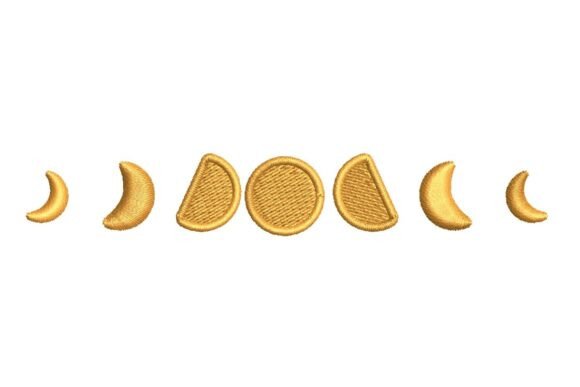
Golden Moon Phases Embroidery Design Review
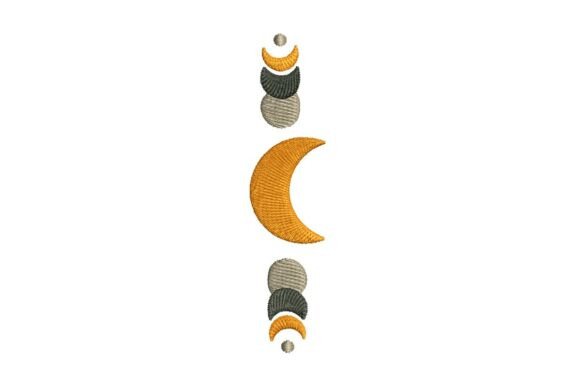
As an experienced embroidery designer preparing for the upcoming weekend craft fair, I am constantly evaluating new assets to determine which ones will drive sales on my booth table. Today, I am putting Golden Moon Phases Embroidery Design under the microscope. While this design is categorized under Robots in some digital libraries, its aesthetic appeal transcends that niche, making it a versatile contender for any handmade product line. The description promises an elegant, linear representation of the moon's phases, symbolizing cycles and celestial beauty with seven distinct shapes ranging from slender crescents to a full moon. My goal is to determine if this machine embroidery design will translate into a profitable craft fair product or if it belongs strictly in the digital download section of an Etsy shop.
First Impressions: Elegance Meets Modern Minimalism
At first glance, Golden Moon Phases Embroidery Design exudes a sense of calm sophistication. It does not scream "festive" or "rustic farmhouse"; instead, it leans heavily into a modern, minimal, and decorative style. The linear quality of the seven shapes suggests a clean look that avoids the clutter often found in complex floral or character-based designs. For a boutique maker or creative entrepreneur, this is a significant advantage. In a sea of busy patterns at a market, a clean, golden linear motif stands out as premium and intentional. It feels like a design that speaks to customers looking for subtle spiritual symbolism or those who appreciate celestial aesthetics without the need for heavy detailing.
The use of gold thread colors in this context is crucial. If executed correctly, the metallic sheen against neutral fabrics can elevate a simple tote bag or tea towel into a high-value gift item. However, the success of this embroidery file relies entirely on the execution of those lines. If the stitch density is too low, the gold may look patchy; if too high, the fabric might pucker. As I prepare my samples, I am treating this as a test of precision rather than just volume.
Product Suitability: Where Does It Shine?
When planning my booth display, I visualize Golden Moon Phases Embroidery Design across various mediums. Here is how I expect it to perform on specific items:
- Tote Bags and Market Bags: This is likely the strongest application. A large format of this design on a canvas tote bag creates a bold focal point. The linear nature allows the design to scale well without losing definition. Customers browsing for reusable bags often look for something that feels artistic yet functional.
- Tea Towels and Apron Embroidery: Kitchen linens are a staple for handmade shops. Placing the moon phases vertically down the side of a linen tea towel or centered on an apron pocket offers a chic, modern kitchen aesthetic. The tea towel embroidery must account for the texture of the weave, which can sometimes hide fine details.
- Embroidered Patches and Caps: The design works exceptionally well as a small accent. An embroidered patch featuring just one or two phases could be a trendy addition to denim jackets or backpacks. On caps, however, caution is needed due to the curved surface.
- Pillow Covers and Home Decor: For the home decor enthusiast, a pillow cover featuring the full sequence of seven phases acts as a statement piece. It fits perfectly into bohemian or modern minimalist interiors.
- Small Pouches and Gift Items: These make excellent impulse buys. A small fabric pouch with a single crescent moon embroidered in gold thread is a perfect stocking stuffer or add-on sale item at a craft fair.
Production Realities: Stitch Density and Fabric Texture
While the concept is beautiful, the practical application requires careful attention to detail. One of the primary concerns with Golden Moon Phases Embroidery Design is the potential for dense stitch areas if the design is filled rather than outlined. Since the description highlights a "linear representation," I anticipate a satin stitch or running stitch approach. However, on textured towels or thick canvas, these thin lines can get lost if the stabilizer is not robust enough.
I always advise testing the design on scrap fabric before committing to expensive materials. You must check the stitch density to ensure the gold thread lays flat without breaking. Furthermore, the contrast between the thread and the fabric is vital. This design will likely struggle on dark fabrics unless a white underlay is used, which adds time and cost to production. For a small shop product, efficiency matters. If the design requires excessive backing or complex color changes, it may not be viable for batch production during a busy market season.
Another critical factor is the hoop size. Seven distinct shapes require a certain amount of width to maintain their elegance. If you attempt to shrink this digital embroidery file too much for a small cap or keychain, the crescents may merge or lose their definition. Always confirm the minimum recommended size in your software before scaling down.
Selling Strategy: From Booth Display to Online Listings
For the Etsy seller or craft fair vendor, visual appeal drives engagement. Golden Moon Phases Embroidery Design photographs beautifully. Its clean lines and golden accents pop in natural light, making it ideal for social media marketing and printable mockups. When creating listings, I recommend showing the design on multiple backgrounds—white, cream, and perhaps a soft sage green—to demonstrate versatility.
In a physical booth, this design contributes to brand consistency. If your shop focuses on celestial, spiritual, or modern handmade goods, this asset reinforces that identity. It signals quality and thoughtfulness to the buyer. Unlike novelty items that might date quickly, the moon phases are timeless, ensuring the finished product remains relevant season after season. This longevity increases the perceived value of the item, allowing you to price it higher than generic commercial embroidery products.
Designer Notes for Success
To maximize the potential of Golden Moon Phases Embroidery Design, follow these practical steps:
- Test First: Always run a test on the exact fabric you plan to sell. Check for puckering, especially on towels and knits.
- Stabilizer Selection: Use a tear-away or cut-away stabilizer appropriate for the fabric weight. Gold threads can be finicky and require a smooth base.
- Thread Contrast: Ensure the background fabric provides enough contrast for the golden lines to be visible from a distance.
- Licensing Check: Before selling finished products, confirm the commercial licensing terms of the embroidery file. Some designers restrict the number of sellable items or require attribution.
- Mockup Creation: Create at least one real mockup for your online store. Photos of actual stitched items convert better than digital renderings.
In conclusion, Golden Moon Phases Embroidery Design is a strong candidate for a curated collection of handmade goods. Its elegance and symbolic depth resonate with modern consumers seeking meaningful, high-quality items. While it requires attention to stitch density and fabric choice, the payoff in terms of visual appeal and customer engagement makes it a worthy addition to any embroidery business owner's portfolio. Whether displayed on a rustic wooden table at a weekend market or showcased in a sleek online gallery, this design has the potential to become a signature piece for your brand.